




 Admin
Admin September 22, 2026
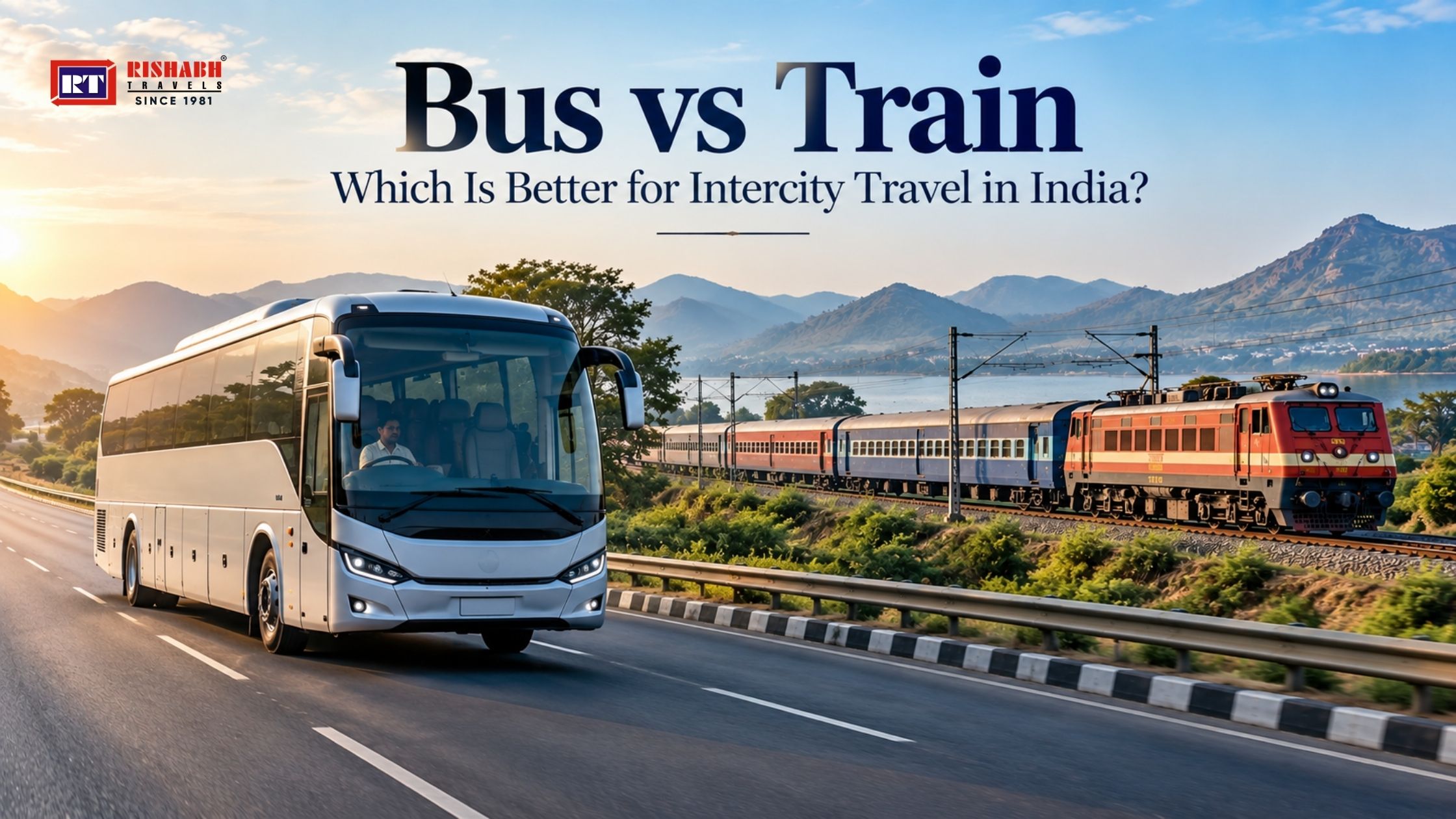
Planning a trip from one city to another usually starts with a simple question: should you take a bus or a train?
Both are common choices for intercity travel in India, but the experience can be quite different. Ticket price is important, but it is not the only thing worth checking. Travel time, comfort, route, boarding location, luggage and arrival point can all affect how easy the trip will be.
For some journeys, a train may fit the schedule perfectly. On others, a bus may make things simpler because of its road route or convenient boarding point.
This guide compares bus and train travel on the factors that matter before booking, so you can make a practical choice for your next trip.
Bus vs Train: What Is the Difference?
The biggest difference is the network each one uses.
Trains operate on fixed railway routes and use railway stations for boarding and arrival. They can be a convenient option for cities and towns with strong rail connectivity.
Buses travel through road networks and can connect many cities and towns without depending on railway lines. Depending on the operator and route, travellers can find AC buses, sleeper buses and premium services such as Volvo buses.
There is also a difference in how the journey starts and ends. A railway station may be close to you or require another local ride. A bus boarding point can have the same consideration.
So, rather than choosing only by the type of vehicle, look at how the complete journey fits your plans.
Bus vs Train Comparison for Intercity Travel
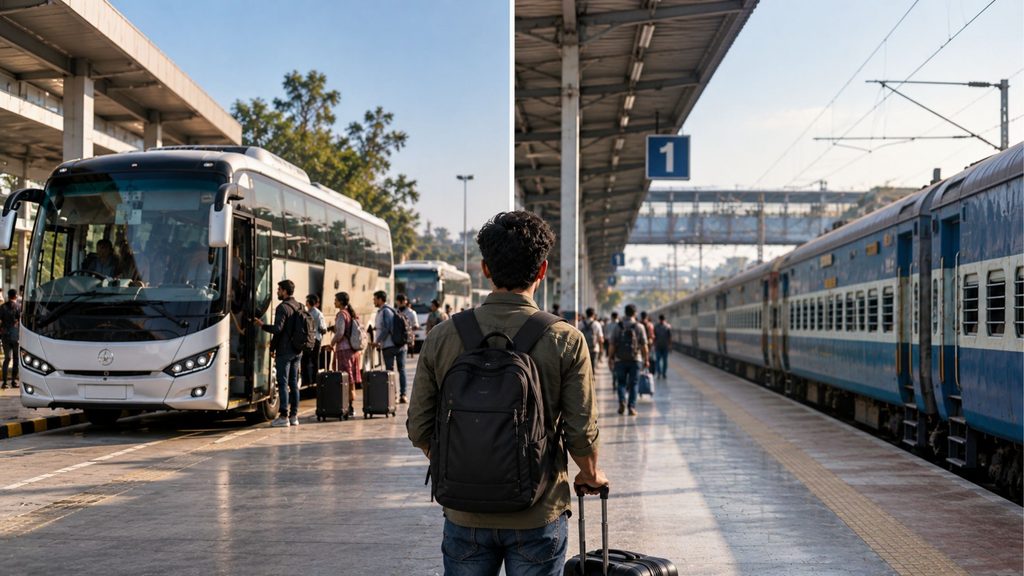
Here is a quick comparison of the main factors:
| Factor | Bus | Train |
| Route | Uses road networks and serves many city-to-city routes | Uses fixed railway routes |
| Boarding | Varies by route and operator | Railway station |
| Comfort | AC, reclining and sleeper options vary by service | Seating and sleeping classes vary |
| Travel time | Can be affected by traffic and road conditions | Depends on route, stops and schedule |
| Luggage | Storage depends on vehicle and service | Depends on coach and class |
| Overnight travel | Sleeper options are available on selected routes | Sleeping classes are available |
| Flexibility | Departure and boarding options vary | Depends on available train services |
The actual service available for your travel date matters more than a general comparison.
Cost of Travel
Ticket price is usually the first thing travellers check. However, the cheapest ticket does not always mean the lowest overall travel cost.
For example, a train ticket may cost less but the railway station could be far from your starting point. After reaching your destination station, you may also need a taxi or another local transport option.
Bus travel can have the same issue if the boarding point is far from your location.
Fares also vary according to the route, travel date, bus type, seat type and train class. Comparing the actual services available for your journey gives you a clearer idea of what you will spend.
Travel Time
The travel time shown on a ticket is only one part of the journey.
Consider how long it takes to reach the boarding point, whether you need to wait before departure and how far the arrival point is from your final destination.
A train may save time on a route with a suitable rail service. A bus can be useful when the road connection is more convenient for the cities you are travelling between.
Road traffic and conditions can affect bus travel. Trains may also have several stops along their route. For this reason, compare the complete schedule rather than looking only at the distance between two cities.
Comfort and Seating
Comfort becomes more important when the journey lasts several hours.
Bus services can have AC seating, reclining seats and sleeper arrangements. Premium services such as Volvo buses may provide additional cabin comfort depending on the vehicle and route.
Trains offer different seating and sleeping classes, with space and facilities varying between classes.
If you are travelling for a long time, check the actual seat or berth instead of comparing bus and train as broad categories.
Route Connectivity
The route itself can change which option makes more sense.
A train can be convenient when there is a suitable railway service between your cities and the stations are easy to reach.
A bus can be useful when road connectivity gives you a simpler connection or when the destination does not have a convenient direct train service.
This is particularly useful for travellers whose starting point or final destination is away from a major railway station. In such cases, the extra local travel required before or after the main journey can become an important part of the decision.
Booking Flexibility
Availability depends on the route, date and service.
Train travel depends on the trains operating on the route, available classes and vacant seats. During busy travel periods, popular services can require advance planning.
Bus services also vary by operator. Some routes may have multiple departure times or different boarding points, while others may have fewer choices.
Rather than assuming that one mode is always easier to book, check the services available for your actual travel date.
Boarding and Drop-Off Convenience
The location of the starting and ending points can have a bigger impact than it first appears.
A railway station may require an additional taxi or local transport ride. The same can happen with a bus if its boarding point is outside the area you need to reach.
For this reason, check both ends of the journey. A service that takes slightly longer but saves a long local transfer may be more convenient overall.
Luggage and Travel Space
Luggage requirements are different for every traveller.
Someone travelling alone with one small bag has different needs from a family carrying several suitcases. Groups may also need more storage space.
Bus luggage storage depends on the vehicle and service. Train luggage arrangements vary according to the coach and class.
If you are carrying several bags, check the applicable luggage rules before booking rather than assuming that there will be enough space.
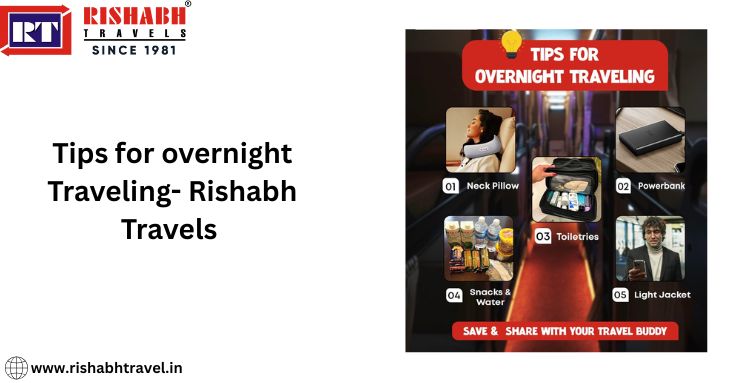
Overnight Travel
Overnight trips need a little more planning because you will be travelling during the hours when you would normally be resting.
Look at the sleeping arrangement, departure time, arrival time and total duration of the journey.
Sleeper buses are available on selected routes, while trains offer different sleeping classes. The useful comparison is not simply bus vs train. It is whether the particular service gives you a practical way to rest and arrives at a convenient time.
Bus or Train for Different Types of Travel?
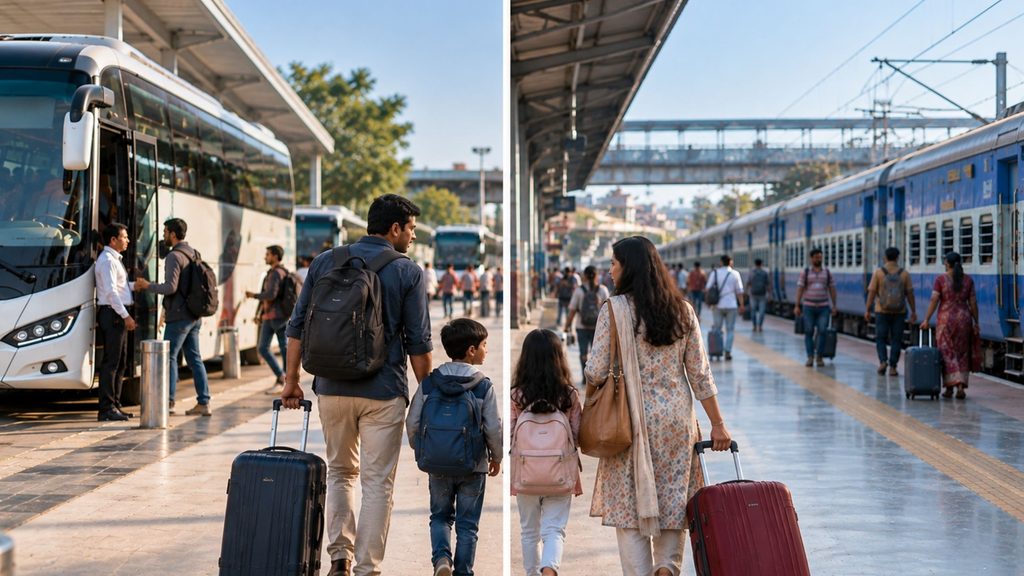
Short-Distance Travel
For a shorter intercity trip, getting to and from the boarding point can be just as important as the time spent travelling.
A bus may be convenient when the boarding location is easy to reach and the departure time fits your schedule. A train can work well when a suitable service is available without adding unnecessary local travel.
For shorter journeys, compare the complete door-to-destination time rather than only the scheduled travel time.
Long-Distance Travel
Long-distance travel brings comfort and rest into the decision.
A train can suit travellers who find a suitable service and prefer a particular seating or sleeping class. An AC or sleeper bus can also be useful when the available service provides the required comfort and timing.
Before booking a long trip, pay attention to the seat or berth, journey duration and arrival time.
Family Travel
Family travel usually means more luggage, more people and more things to coordinate.
Check whether everyone can sit comfortably, whether the luggage arrangements work and how easily the family can reach the boarding and arrival points.
For some families, a bus may simplify the trip by offering a suitable city-to-city service. A train can also work well when seats are available together and the stations are convenient.
Group Travel
For a group, keeping everyone on the same service can make planning easier.
Regular bus services can work for smaller groups when suitable seats are available. For larger groups, hiring a bus can provide a more organised way to travel together.
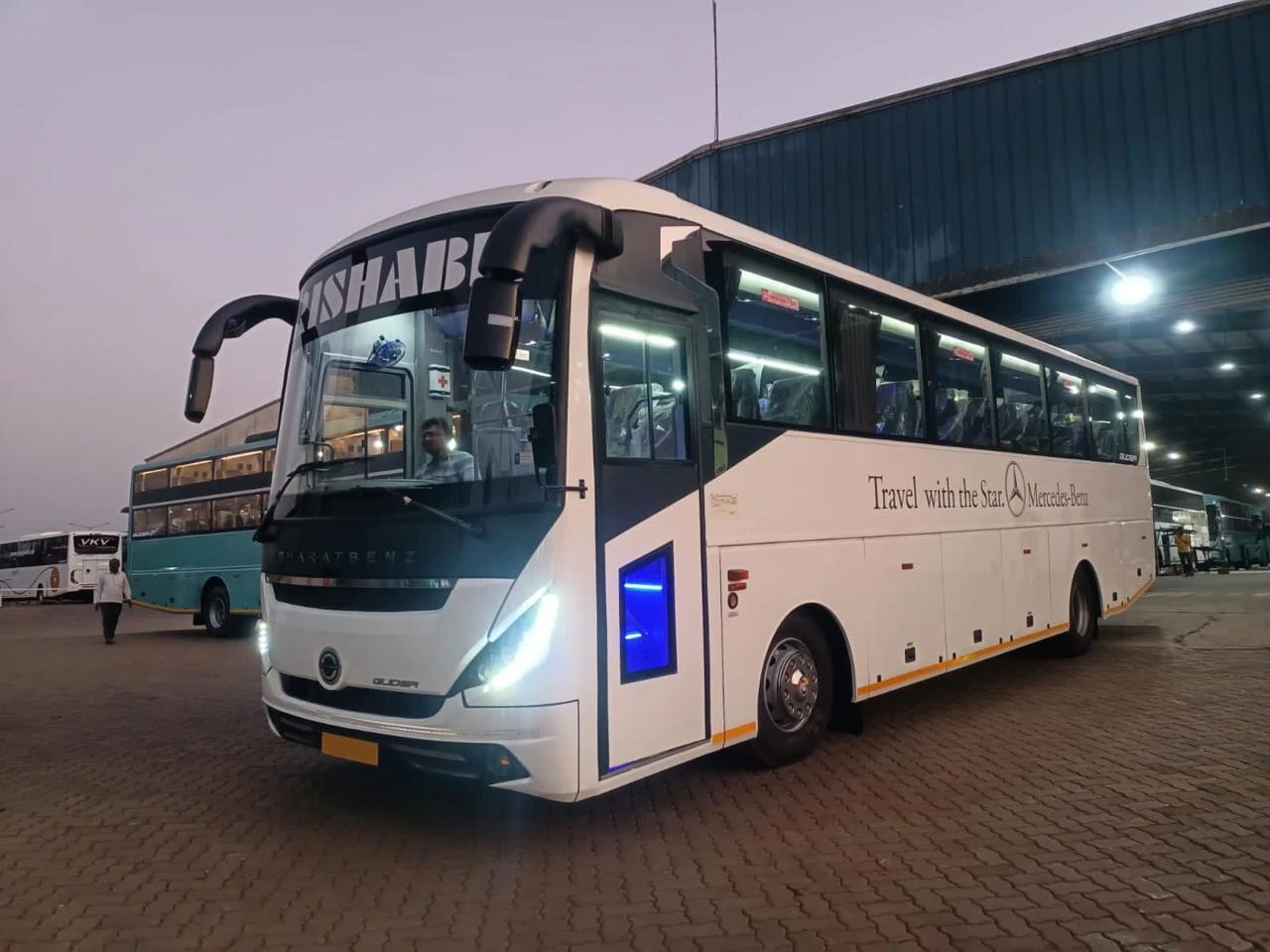
Rishabh Travels offers bus rental services for group transportation along with tourist and intercity bus services.
Last-Minute Travel
When a trip is planned at short notice, actual availability becomes the priority.
Check the remaining seats, departure times and boarding locations on your travel date. If one option has a suitable service while the other does not, that can settle the decision quickly.
It is better to check what is available now than to rely on a general idea that buses or trains are easier to book at the last minute.
What Should You Check Before Choosing Bus or Train?
Before making the booking, run through this quick checklist:
- Route: Is the available service suitable for your cities?
- Total travel time: How long will the complete journey take?
- Fare: What is the actual ticket price?
- Local travel: Will you need another vehicle before or after the main journey?
- Boarding point: How easy is it to reach?
- Drop-off point: How close is it to your final destination?
- Comfort: What seat or berth will you get?
- Luggage: Does the service suit the bags you are carrying?
- Timing: Do the departure and arrival times work for your plans?
- Availability: Is a suitable seat or berth available?
A few minutes spent checking these details can make the booking decision much clearer.
When Can Bus Travel Be a Practical Choice?
Bus travel can be useful when you want a road-based connection that fits your schedule and starting point.
It can work well for city-to-city travel, family trips and group movement. Depending on the route, travellers can choose from AC buses, sleeper buses and premium options such as Volvo buses.
Bus travel can also be useful when the railway station is inconvenient or when the available train schedule does not fit the plan.
Rishabh Travels provides tourist and intercity bus services along with options for group and long-distance travel. The suitable bus type can depend on the route, group size and travel requirement.
When Can Train Travel Be a Practical Choice?
Train travel can be a practical option when the railway network gives you a convenient connection between your starting point and destination.
It can also suit travellers who prefer a particular train class or sleeping arrangement. On some long-distance routes, the train schedule may fit the journey better than the bus services available on the same date.
Station location should also be part of the calculation. A train can be a convenient option when the departure and arrival stations work well with the rest of your travel plan.
Bus vs Train in India: How to Make the Right Choice
There is no single answer to the bus vs train question.
The useful comparison is the complete journey. Look at the time involved, total cost, comfort, luggage, boarding and arrival locations and the service available on your travel date.
A train may suit one route because of its schedule and railway connectivity. A bus may suit another because it makes the road connection simpler or gives you a more convenient starting point.
Instead of choosing based on a general rule, compare the actual options for your journey. That will give you a more useful answer than simply asking whether a bus or train is better.
Planning Your Next Trip?
Whether you are travelling between cities, planning a family trip or arranging transportation for a group, choosing the right bus can make the journey easier and more comfortable.
Rishabh Travels offers bus travel options for different routes and group requirements, with services designed around your travel needs.
Planning your next bus trip? Contact Rishabh Travels to discuss your route, travel dates and requirements.
Frequently Asked Questions
Is bus or train better for intercity travel?
Neither is always better. The right option depends on the route, travel time, cost, comfort, availability and how convenient the boarding and arrival points are.
Is bus travel cheaper than train travel?
It depends on the route, travel date, bus type and train class. Compare the ticket price along with local transport costs at both ends of the journey.
Which is more comfortable, bus or train?
Comfort depends on the specific service. Buses may offer AC, reclining or sleeper options, while trains have different seating and sleeping classes.
Which is better for overnight travel, bus or train?
Both can be suitable for overnight travel. Compare the sleeping arrangement, journey duration, departure time and arrival time before booking.
Is bus travel good for family trips?
Yes. Bus travel can work well for families when the seating, luggage space, boarding point, route and arrival location suit the group.