




 Admin
Admin May 21, 2026
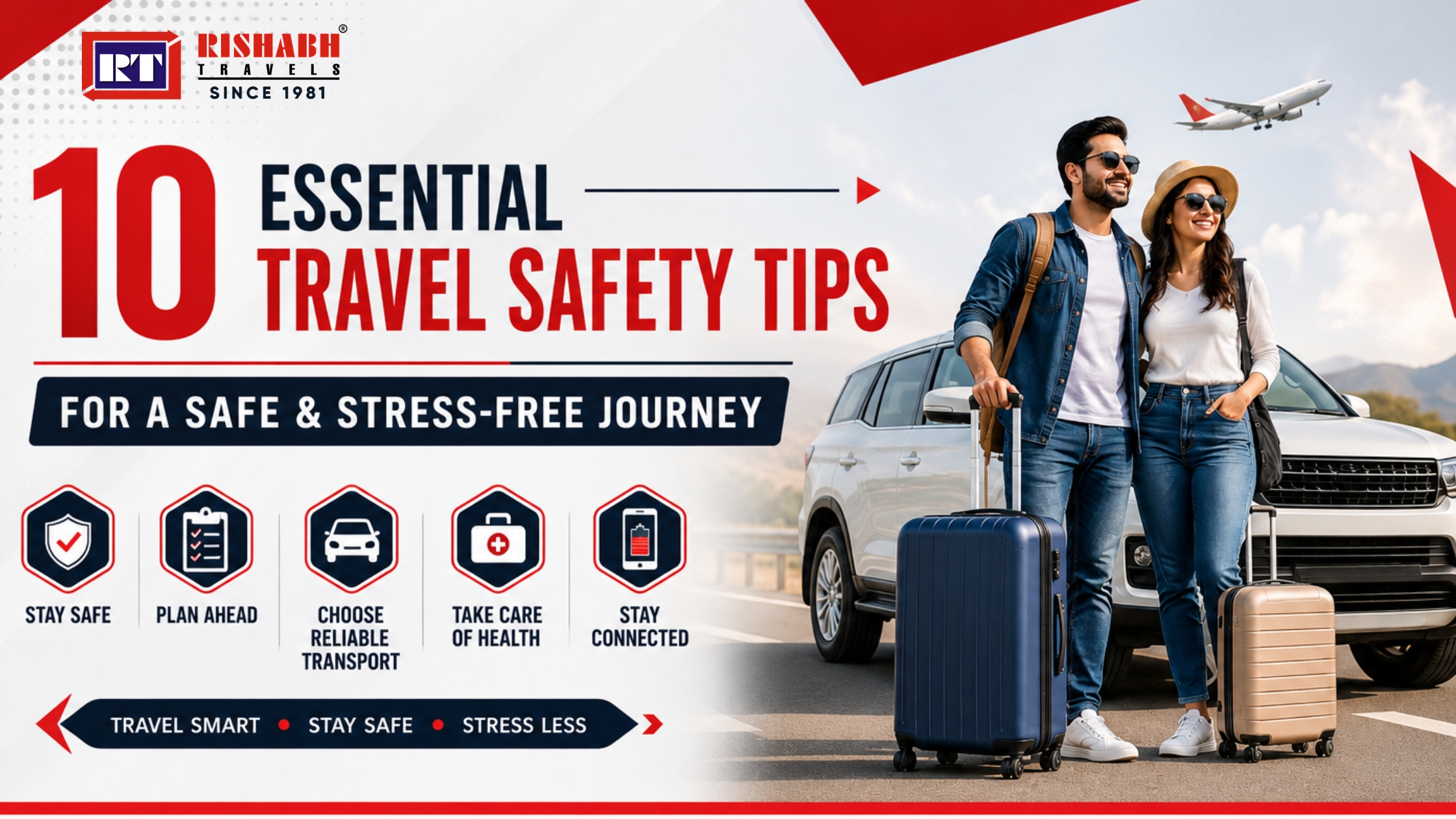
Travel is exciting. But things can go wrong too. A lost bag, a wrong turn, a sudden illness – these small problems happen to all kinds of travelers. Solo travelers, families, groups, students, seniors – nobody is completely safe from travel problems.
The good news is that most of these problems are avoidable. You just need to be a little prepared. These travel safety tips are not complicated. They are simple, practical things that any traveler can follow – whether you are going to the next city or flying to another country.
This travel safety guide covers every type of journey. Local travel, intercity travel, domestic trips and international adventures. Read through all ten tips and pick what works for your next trip.
Tip 1 – Know Your Destination Before You Leave
A lot of travelers skip this step. They just pack their bags and go. That works sometimes. But not always.
Before any trip, spend some time understanding where you are headed. Which areas are safe. What the local transport situation is like. Whether there are any weather issues or road problems on your route. Even a small amount of research – twenty to thirty minutes – can save you from a lot of confusion when you arrive.
This is one of the most basic safe travel tips but very few people actually do it for short or local trips. Do not skip it just because the journey feels small.
Tip 2 – Always Prepare a Travel Checklist
Forgetting something important on a trip is more common than people think. A medicine. A charger. An ID card. These things seem obvious at home but are very easy to miss when you are rushing to leave.
A travel checklist fixes this problem completely. Before any trip – short or long – write down what you need to carry. Your ID or travel documents. Phone charger and power bank. Any regular medicines. Emergency contact numbers. Some cash and a backup card.
Five minutes with a checklist before leaving is much better than two hours of stress trying to manage without something important.
Tip 3 – Keep Copies of Your Important Documents
Documents getting lost or stolen is one of the most stressful travel situations. And it happens more often than you would think.
Before any trip, take clear photos of your key documents. Your ID card, passport, bus or train tickets and hotel booking confirmations. Save these photos to your email or a cloud storage app. You can access them from any phone or computer if needed.
Also keep a paper photocopy in a different bag from your original documents. If your original documents go missing, that copy helps you prove who you are. It is a free and quick travel precaution that can save you hours of trouble.
Tip 4 – Tell Someone Where You Are Going
Before leaving for any trip, inform a trusted person about your plan. Tell them where you are going, which route you are taking, where you will be staying and when you expect to return.
You do not need to write a long document for this. A short message to a family member or close friend is more than enough. If something goes wrong during your trip and you are not reachable, that person will know where to look and who to contact.
This is one of those journey safety tips that feels unnecessary – until the moment it actually saves you. It takes two minutes. Do it before every trip.
Tip 5 – Keep Your Valuables Hidden
Theft can happen anywhere. Busy markets, train stations, tourist spots, local bus stops – no location is completely risk-free. Most theft happens fast and without any warning.
The simplest way to avoid it is to keep your valuables out of sight. Put your phone in a front pocket rather than a back pocket or open bag. Do not show large amounts of cash in public. Skip wearing expensive jewelry in crowded areas. Keep your cards and cash in a money belt or inner pocket when you are moving through busy or unfamiliar locations.
Small travel precautions like these reduce your risk more than any security device ever could.
Tip 6 – Stay Alert and Aware of Your Surroundings
This is something many travelers forget once they get comfortable in a new place. Being present and aware of what is around you is one of the most effective stress-free travel tips there is.
Do not walk through unfamiliar streets with both earphones in and your eyes on your phone. Look around. Notice who is nearby. Know where the exits are when you enter a new building or station. If a situation or a place feels wrong to you – trust that feeling. Move away calmly. You do not need to overthink it.
Staying aware costs nothing and protects you from a surprisingly large number of travel problems.
Tip 7 – Use Only Reliable and Registered Transport
Transport safety is a huge part of how to travel safely. Always choose registered and trustworthy transport options. Book cabs through verified apps. Board buses and trains only from official stops and stations. When renting a vehicle, inspect it properly before you start driving and understand the local traffic rules.
Never get into an unmarked vehicle. Do not accept rides from strangers – especially when it is late at night or you are in an isolated area.
This travel safety rule applies to every kind of trip. A short auto ride across town or a long overnight journey to another city – reliable transport is non-negotiable either way.
Tip 8 – Take Your Health Seriously on Every Trip
Health problems during a trip are more disruptive than most people expect. And they are often avoidable with a little preparation.
Pack a small first aid kit before leaving. Include pain relief tablets, something for stomach issues, antiseptic and a basic bandage. If you take any regular medicines, always carry extra – running out in an unfamiliar place is genuinely difficult to manage.
Drink bottled or purified water when you are unsure about local water quality. Stay hydrated on long journeys, especially in hot weather. Be careful about where you eat when food hygiene looks uncertain. If you are visiting a new region or country, check whether any vaccinations or health precautions are recommended. These are core travel safety rules that every traveler should follow – not just international ones.
Tip 9 – Keep Your Phone Charged Throughout the Journey
Your phone is your map, your emergency contact tool and your communication lifeline all in one. Losing battery in an unfamiliar place can quickly turn a minor inconvenience into a serious problem.
Always carry a power bank with you. Charge your phone fully before leaving home. On long trips, charge it again at bus stops, restaurants or anywhere you get a chance. Also make sure you have active mobile data or a local SIM card – without it you cannot use maps, call anyone or even look up basic information when you need it most.
Before leaving, save key contact numbers offline. Your accommodation number, a contact from home and the local emergency helpline. These small steps make this one of the most practical journey safety tips you can follow.
Tip 10 – Get Travel Insurance Before Your Trip
Many travelers see travel insurance as something only needed for expensive international holidays. That is not true. Even a basic policy for a short domestic trip can make a big difference.
Medical emergencies, lost baggage, trip cancellations – these things do not only happen on big holidays. They happen on everyday trips too. Without insurance, even a small medical issue abroad or a cancelled booking can turn into a major unexpected expense.
Look for a policy that fits your trip type and budget. It does not have to be expensive. Even a simple, affordable plan gives you a financial safety net when things do not go as planned. That peace of mind is one of the best stress-free travel tips you will ever take.
Final Thoughts – Stay Safe on Every Journey
These ten travel safety tips are not complicated. They do not require a big budget or a lot of time. Most of them are just habits – things you build over time until they feel natural before every trip.
Start small. Make a checklist. Tell someone your plan. Keep your phone charged. These basics alone will make your journeys noticeably safer and smoother.
Good travel is not just about reaching a great destination. It is about getting there safely, handling problems calmly when they come and coming back home without any major regrets. Follow this travel safety guide on your next trip – no matter how short or simple the journey seems. Safe travel always starts before you leave the door.
Travel Safe With Rishabh Travels
You just went through ten travel safety tips. One of the most important ones was choosing reliable and registered transport. The right transport choice keeps your journey smooth, safe and stress-free from start to finish.
Rishabh Travels is built exactly for that. Whether you need a taxi for a quick local trip, a car on rent for a long road journey, an intercity bus to reach another city or a luxury bus for group travel – Rishabh Travels has a safe and comfortable option for every kind of trip. All vehicles are well-maintained and all drivers are experienced and verified. You do not have to worry about anything once you book with us.
So the next time you are planning a journey – big or small, solo or with family, make the smart choice from the start. Book your ride with Rishabh Travels and travel with full confidence and peace of mind.
FAQ’s
1. What are the most important travel safety tips?
The most important travel safety tips are researching your destination, carrying important documents safely, using reliable transport, staying alert and keeping emergency contacts ready during your journey.
2. How can I stay safe while traveling alone?
Solo travelers should avoid isolated areas, share their travel plans with someone trusted, use verified transport services and stay aware of their surroundings at all times.
3. Why is choosing reliable transport important during travel?
Reliable transport reduces the risk of delays, unsafe driving and travel scams. Always choose registered taxi, car rental or bus services for a safer and smoother journey.
4. Is travel insurance necessary for domestic trips?
Yes, travel insurance can help cover medical emergencies, lost baggage and trip cancellations even during short domestic trips. It adds extra financial protection while traveling.
5. What should I carry for a safe and stress-free trip?
Carry your ID, phone charger, power bank, medicines, emergency contacts, backup cash and copies of important travel documents for a safe and comfortable journey.